
Ear syringing is a traditional method used to remove excess ear wax from the ear canal. While it has been commonly used for many years, it is now often replaced by newer techniques such as microsuction. However, ear syringing may still be suitable in certain cases when performed by a trained professional.
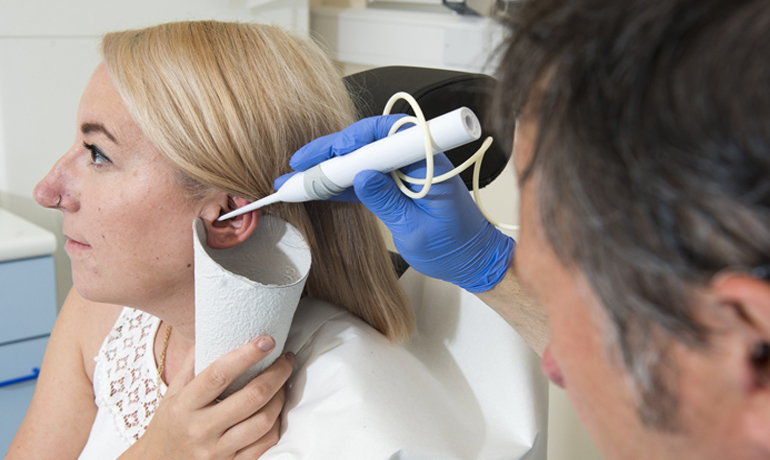
What Is Ear Syringing?
Ear syringing is a procedure that uses warm water to gently flush ear wax out of the ear canal. Before the procedure, ear drops are often prescribed for a few days to soften the wax, making removal easier and safer.
The process is usually carried out by a healthcare professional in a clinical setting.
Why Is Ear Syringing Performed?
Ear syringing is used when ear wax becomes impacted and causes symptoms such as:
-
Blocked or muffled hearing
-
Ear discomfort or pressure
-
Ringing in the ears (tinnitus)
-
Dizziness or balance problems
-
Hearing aid interference
When wax does not clear naturally, professional removal may be required.
How Does Ear Syringing Work?
The ear syringing process typically includes:
-
Examination of the ear canal
-
Use of warm water delivered with controlled pressure
-
Flushing out softened ear wax
-
Final ear check to ensure the canal is clear
The procedure usually takes 15–30 minutes.
Is Ear Syringing Safe?
Ear syringing can be safe when performed by a trained professional and when the patient is suitable for the procedure. However, it is not recommended for everyone and carries more risk compared to modern methods.
Possible risks include:
-
Ear canal irritation
-
Infection
-
Dizziness
-
Eardrum perforation (rare but possible)
Because of these risks, many clinics now prefer microsuction.
Who Should Not Have Ear Syringing?
Ear syringing is not recommended if you:
-
Have a perforated eardrum
-
Have had ear surgery
-
Suffer from recurring ear infections
-
Experience ear discharge or severe pain
A professional assessment is essential before treatment.
Ear Syringing vs Microsuction
| Ear Syringing | Microsuction |
|---|---|
| Uses water | No water used |
| Less precise | Highly controlled |
| Higher infection risk | Lower infection risk |
| Being phased out | Preferred modern method |
Aftercare Following Ear Syringing
After ear syringing, you may be advised to:
-
Keep your ears dry for 24 hours
-
Avoid inserting objects into your ears
-
Monitor for pain or discharge
-
Use ear drops if recommended
If symptoms persist, follow up with a specialist.
Is Ear Syringing Painful?
Ear syringing is generally not painful, but some people may feel temporary discomfort or dizziness during or after the procedure. Any ongoing pain should be reported to a healthcare professional.
Final Thoughts
Ear syringing has been a common method of ear wax removal for many years, but it is now less commonly used due to safer alternatives. If you’re experiencing ear blockage or hearing problems, consult a qualified professional to determine whether ear syringing or another method is best for you.