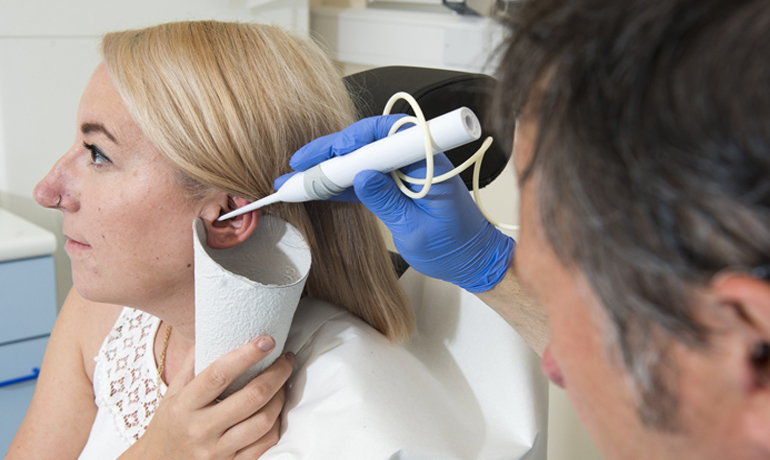
Chemical peel treatments have become one of the most popular skincare procedures for improving skin tone, texture, and overall appearance. Whether you want to reduce acne scars, brighten dull skin, minimise fine lines, or improve pigmentation, finding the right clinic is essential for achieving safe and effective results.
If you have been searching for “chemical peels near me,” this guide will help you understand what chemical peels are, how they work, and what to look for when choosing the best skin treatment clinic.
What Is a Chemical Peel?
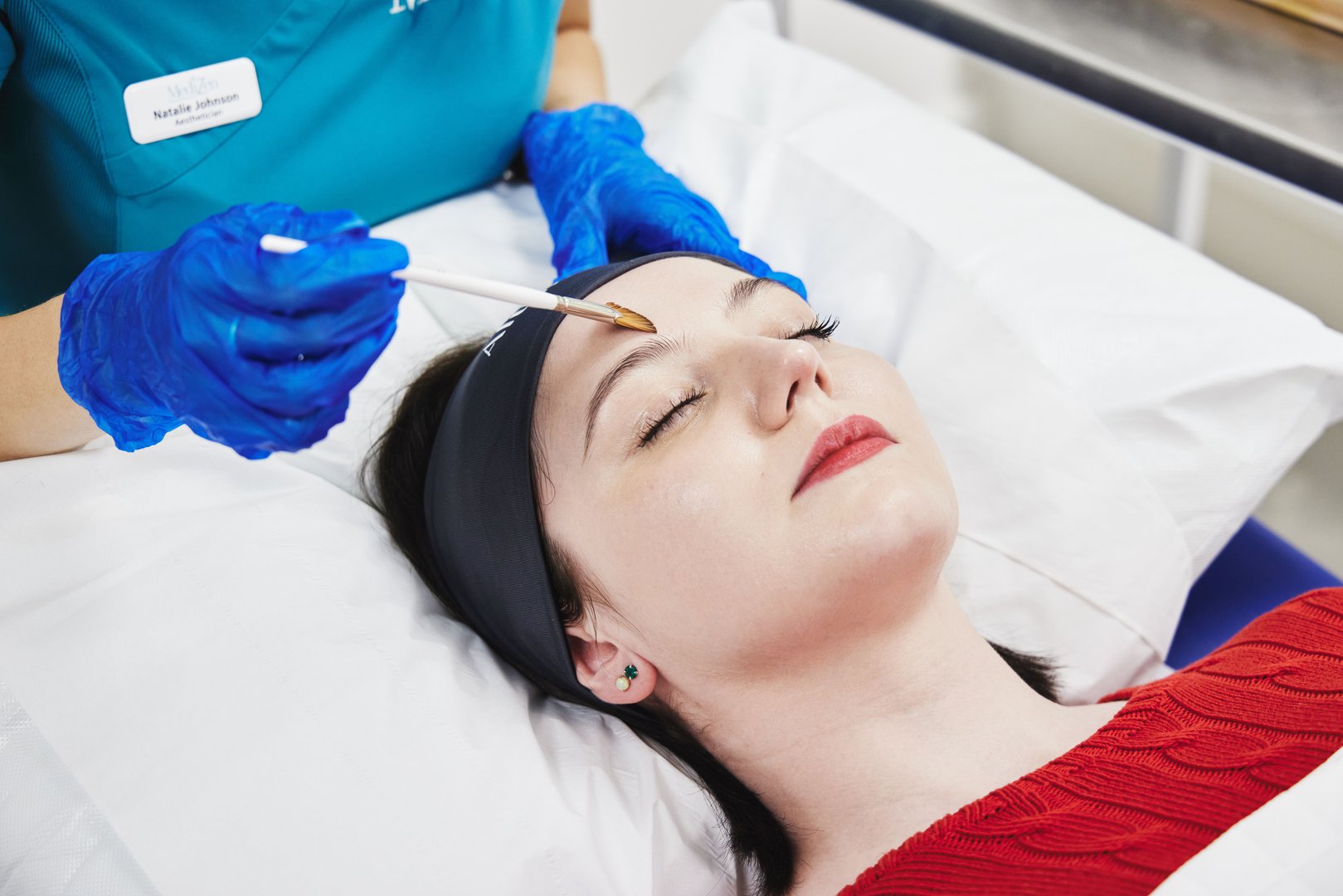
A chemical peel is a professional skin resurfacing treatment that uses specially formulated acids to exfoliate damaged outer skin layers. The treatment encourages fresh skin cell renewal and stimulates collagen production, helping reveal smoother and healthier-looking skin underneath.
Chemical peels are commonly used to improve:
- Acne and acne scars
- Hyperpigmentation
- Uneven skin tone
- Fine lines and wrinkles
- Sun damage
- Rough skin texture
- Enlarged pores
- Dull complexion
Different types and strengths of chemical peels are available depending on individual skin concerns.
Why Choosing the Right Clinic Matters
Chemical peels involve active ingredients that directly affect the skin, so selecting a professional and experienced clinic is extremely important. A qualified practitioner can customise the treatment safely based on your skin type, sensitivity, and goals.
The right clinic helps ensure:
- Safe treatment procedures
- Reduced risk of irritation or complications
- Better skincare results
- Personalised treatment plans
- Proper aftercare guidance
Signs of a Good Chemical Peel Clinic
When searching for the best chemical peel clinic near you, there are several important factors to consider.
Experienced and Qualified Practitioners
Choose a clinic with trained skincare professionals who have experience performing chemical peel treatments. Experienced practitioners can recommend the safest and most effective peel for your skin.
Professional Skin Consultations
A reputable clinic should offer a detailed consultation before treatment. During this consultation, the practitioner should assess:
- Your skin type
- Existing skin concerns
- Sensitivity levels
- Medical history
- Previous skincare treatments
This helps create a treatment plan tailored specifically to your skin.
Positive Customer Reviews
Reading online reviews and testimonials can provide valuable insight into the clinic’s professionalism, treatment quality, and customer satisfaction.
Look for comments about:
- Treatment results
- Cleanliness
- Staff professionalism
- Customer service
- Overall experience
Clean and Hygienic Environment
A professional skincare clinic should maintain high hygiene standards to ensure client safety and comfort.
Personalised Treatment Options
Every skin type is different. The best clinics customise treatments rather than offering a one-size-fits-all approach.
Types of Chemical Peels Offered by Clinics
Different clinics may provide various types of chemical peel treatments depending on your skin concerns.
Glycolic Acid Peel
Glycolic acid peels help improve dull skin, uneven texture, and pigmentation while brightening the complexion.
Salicylic Acid Peel
Salicylic acid peels are ideal for oily and acne-prone skin because they deeply cleanse pores and reduce breakouts.
Lactic Acid Peel
Lactic acid peels are gentle and suitable for sensitive or dry skin types while helping improve hydration and skin brightness.
TCA Peel
TCA (Trichloroacetic Acid) peels target deeper skin concerns such as acne scars, wrinkles, and stubborn pigmentation.
Questions to Ask Before Booking a Chemical Peel
Before choosing a clinic, consider asking the following questions:
- What type of peel is suitable for my skin?
- How many sessions will I need?
- What results can I realistically expect?
- What is the recovery time?
- Are there any side effects?
- What aftercare products should I use?
A professional clinic should answer these questions clearly and honestly.
What to Expect During the Treatment
A chemical peel appointment usually begins with cleansing the skin thoroughly. The chemical solution is then applied carefully to the treatment area.
During the procedure, you may experience:
- Mild tingling
- Warmth
- Slight tightness
Most treatments take around 30 to 60 minutes depending on the peel type.
Recovery and Aftercare
After treatment, temporary side effects are normal and may include:
- Mild redness
- Dryness
- Flaking or peeling
- Slight sensitivity
Recovery time depends on the strength of the peel.
Important Aftercare Tips
- Wear sunscreen daily
- Avoid direct sun exposure
- Keep the skin moisturised
- Avoid harsh skincare products
- Do not pick peeling skin
Proper aftercare helps protect the skin and improve treatment results.
Benefits of Chemical Peel Treatments
Chemical peels offer several benefits for improving overall skin appearance.
Smoother Skin Texture
Peels remove dead skin cells and help soften rough skin.
Brighter Complexion
Fresh skin renewal helps create a healthier glow.
Reduced Acne and Scarring
Chemical peels can improve acne-prone skin and minimise post-acne marks over time.
Improved Skin Tone
Peels help reduce dark spots, pigmentation, and uneven skin tone.
Softer Fine Lines
Certain peels stimulate collagen production, helping reduce early signs of ageing.
How Much Do Chemical Peels Cost?
Chemical peel prices vary depending on:
- Clinic location
- Practitioner experience
- Peel type and strength
- Number of sessions needed
Superficial peels are generally more affordable, while medium and deep peels typically cost more due to their advanced treatment depth.
Who Is Suitable for Chemical Peels?
Chemical peels are suitable for many skin types and concerns. You may benefit from treatment if you want to improve:
- Acne scars
- Pigmentation
- Fine lines
- Sun damage
- Uneven texture
- Dull skin
A professional consultation can determine the safest treatment option for your skin.
Final Thoughts
Searching for “chemical peels near me” is the first step toward healthier and more radiant skin. Choosing the right skin treatment clinic is essential for achieving safe, professional, and long-lasting results.
By selecting an experienced clinic with qualified practitioners, personalised treatment plans, and strong hygiene standards, you can feel confident about your skincare journey. Whether your goal is smoother skin, reduced acne scars, or a brighter complexion, chemical peels can provide noticeable improvements with proper care and professional guidance.