Best Dental Marketing Blog: A Must-Read for Growing Your Practice

If you’re a dentist looking to attract more patients and grow your practice, having a strong marketing strategy is essential. But where do you start? The best dental marketing blog can provide valuable insights, proven strategies, and the latest trends to help you stand out in a competitive market. Whether you’re new to dental marketing or a seasoned professional, following the right blogs can make all the difference.

Why Dental Marketing Matters

Gone are the days when word-of-mouth referrals were enough to keep your practice thriving. Today, potential patients search for dentists online, read reviews, and Best Dental Marketing Blog compare services before making a decision. A well-planned marketing strategy helps build trust, improve visibility, and attract the right audience. The best dental marketing blogs offer expert advice on topics like SEO, social media, content marketing, and patient engagement to ensure your practice stays ahead.

What Makes a Great Dental Marketing Blog?

Not all blogs are created equal. The best ones provide actionable insights, real-world examples, and up-to-date strategies that actually work. Here are some key features to look for:

1. Comprehensive Content

A great dental marketing blog should cover everything from local SEO strategies to patient retention techniques. It should offer step-by-step guides, case studies, and expert interviews to help dentists make informed marketing decisions.

2. Easy-to-Understand Advice

Marketing can be overwhelming, especially for busy dental professionals. The best blogs break down complex topics into easy-to-follow tips that can be implemented without a marketing degree.

3. Real-World Examples

Blogs that showcase real-world case studies help dentists see what’s working for other practices. Whether it’s an Instagram strategy that increased bookings or an SEO tweak that boosted local search rankings, practical examples are always valuable.

4. Regular Updates

Marketing trends change constantly, and a reliable dental marketing blog should be updated frequently with fresh content. Outdated advice can lead to wasted time and resources, so consistency is key.

5. Engaging and Interactive

The best blogs encourage engagement, allowing readers to ask questions, share experiences, and even download helpful resources like checklists and templates.

Top Dental Marketing Blogs to Follow

If you’re serious about improving your practice’s marketing efforts, here are some of the best dental marketing blogs to follow:

1. Dental Marketing Guy

Known for simplifying complex marketing concepts, this blog covers everything from website optimization to Google Ads strategies for dentists.

2. The My Social Practice Blog

If you want to learn how to leverage social media effectively, this blog is a must-read. It provides insights on Instagram, Facebook, and TikTok strategies tailored for dental practices.

3. Dental Economics Blog

This blog focuses on both marketing and the business side of running a dental practice. It offers expert advice on patient acquisition, reputation management, and branding.

4. The MGE Blog

MGE specializes in dental practice management and marketing. Their blog is packed with valuable tips on boosting patient retention and growing a successful practice.

5. DentistryIQ Marketing Section

DentistryIQ is a comprehensive dental industry website, and its marketing section provides the latest trends and strategies dentists can use to attract new patients.

How to Use These Blogs Effectively

Simply reading marketing blogs won’t transform your practice—you need to take action. Here are some ways to make the most of the insights you gain:

  • Implement One Strategy at a Time: Trying to do everything at once can be overwhelming. Start with one actionable tip and gradually integrate more strategies.
  • Track Your Results: If you’re working on SEO, monitor your website traffic. If you’re focusing on social media, check engagement metrics. Data helps you refine your approach.
  • Stay Consistent: Marketing is not a one-time effort. Regularly applying what you learn from the best dental marketing blogs will lead to long-term success.

Final Thoughts

Finding and following the best dental marketing blog can be a game-changer for your practice. By learning from industry experts, staying updated on the latest trends, and implementing proven strategies, you can attract more patients, enhance your reputation, and grow your practice with confidence.

Whether you’re focusing on SEO, social media, or patient retention, investing time in reading and applying insights from top dental marketing blogs will give you a competitive edge. So, start exploring these resources today and take your practice to new heights!

Using Automated Texts to Reduce Missed Appointments and No-Shows

Missed appointments and no-shows can be costly for businesses across various industries, from healthcare and salons to professional services and consultations. A missed appointment not only leads to wasted time but also lost revenue and frustrated customers. Fortunately, automated text messaging offers an effective solution to this problem by providing timely reminders, easy rescheduling options, and encouraging more engagement with your customers. Here’s how automated texts can help reduce missed appointments and no-shows:

1. Automated Appointment Reminders

The most effective way to reduce missed appointments is by sending reminders well in advance of the scheduled time. Automated text message for business can be set up to notify customers of their upcoming appointments, ensuring they don’t forget or double-book themselves.

  • Pre-appointment reminders: Sending a reminder 24-48 hours before the appointment gives customers ample time to prepare and adjust their schedule if necessary.
  • Day-of reminders: A final reminder, typically a few hours before the appointment, reinforces the upcoming commitment. This is especially useful for clients who may have forgotten or need a last-minute nudge to show up.

The simple act of reminding clients about their appointments can significantly reduce the chances of them forgetting or overlooking it.

2. Personalized Messages for Better Engagement

Personalization makes a big difference in the effectiveness of appointment reminders. Automated texts allow you to personalize the message with the client’s name, appointment time, and any other relevant details, making the reminder feel more tailored and important.

  • Client name inclusion: Personalized messages that use the recipient’s name (e.g., “Hi [Name], just a reminder about your appointment tomorrow at 3 PM with [Service Provider].”) are more likely to be noticed and acted upon than generic messages.
  • Customized content: In addition to appointment details, you can include special instructions (e.g., “Please arrive 10 minutes early” or “Bring any documents needed for your consultation”), making the text more informative and less likely to be ignored.

When customers feel the message is specifically for them, they are more likely to take it seriously and follow through on the appointment.

3. Easy Rescheduling and Cancellation Options

One of the main reasons clients miss appointments is because they have to reschedule but don’t have an easy way to do so. Automated text messaging systems can provide clients with simple instructions to reschedule or cancel their appointment via SMS, helping to keep your schedule accurate and minimize the chance of a no-show.

  • Quick rescheduling: If a client is unable to attend their scheduled appointment, they can quickly reply with a request to reschedule. For example, “Reply ‘Reschedule’ to choose a new time.”
  • Clear cancellation instructions: Giving clients the option to cancel via a simple text (e.g., “Reply ‘Cancel’ to remove your appointment”) reduces the likelihood of clients ignoring their commitment. When cancellations are made early, businesses can fill those open slots with other clients, thus minimizing lost revenue.

Making it easy for customers to reschedule or cancel ensures that they don’t simply forget about their appointment or leave you waiting, and allows you to adjust your schedule accordingly.

4. Incentivizing Show-Ups with Special Offers or Discounts

A clever way to encourage customers to show up for their appointments is to offer incentives for doing so. Automated text systems can be used to send special offers, discounts, or loyalty rewards to customers who consistently attend their scheduled appointments.

  • Loyalty rewards: Offering customers a small discount or bonus for showing up to their appointment on time can boost retention and reduce no-shows.
  • Exclusive offers: Send a special offer or bonus to customers who have a history of attending their appointments, reinforcing positive behavior and encouraging them to continue showing up for future appointments.

Incentivizing attendance is a proactive strategy that not only reduces no-shows but also enhances customer loyalty and satisfaction.

5. Timely Follow-ups After Missed Appointments

When a customer misses an appointment, it’s important to follow up promptly. Automated text messaging allows you to send a follow-up message that acknowledges the missed appointment and offers next steps for rescheduling.

  • Polite reminders: If a client misses an appointment, an automated text can gently remind them of the missed session and offer the option to reschedule. For example, “We noticed you missed your appointment today. Please reply ‘Reschedule’ to select a new time.”
  • Urgency messaging: You can create a sense of urgency by offering limited-time options for rescheduling, such as “We have a few openings this week—don’t miss out on your chance to reschedule!”

A timely and polite follow-up demonstrates that you value the client’s time and increases the likelihood of them rescheduling.

6. Appointment Confirmation for Added Assurance

Another effective tactic is to send an appointment confirmation as soon as the booking is made. This lets clients know that their appointment is officially set, which can help prevent them from inadvertently forgetting about it.

  • Instant confirmations: As soon as a client books an appointment, an automated text can confirm the time, location, and other essential details. For example, “Your appointment is confirmed for [Date] at [Time]. Looking forward to seeing you!”
  • Double confirmations: For particularly important appointments, you can send a confirmation message both at the time of booking and closer to the appointment. This double-check ensures that the client has not forgotten or overlooked the appointment.

Providing confirmation helps set clear expectations from the outset and ensures that the customer has all the details they need.

7. Ensuring Clients Receive the Right Instructions

Missed appointments can often result from confusion or a lack of preparation. Automated text messaging gives businesses the ability to provide customers with clear instructions, helping to eliminate confusion and increase the likelihood that they will attend.

  • Clear instructions: Include any necessary information in the reminder texts, such as parking details, directions, or what to bring to the appointment. For example, “Please bring your insurance card and arrive 15 minutes early for your appointment.”
  • Reminder of preparation: If clients need to complete any tasks prior to the appointment (e.g., filling out forms, bringing paperwork, etc.), automated texts are a great way to remind them well in advance, making them more likely to show up prepared.

By providing clients with everything they need to know beforehand, you reduce the chances of confusion or delays that could lead to missed appointments.

8. Track and Analyze No-Show Patterns

Automated text systems can also track your appointments, including missed appointments and cancellations. By analyzing these patterns, you can identify problem areas and adjust your communication strategy accordingly.

  • Identify trends: Look for patterns in missed appointments (e.g., certain days or times of the week) to understand when no-shows are most common.
  • Adjust reminders: Based on your findings, you can refine your SMS reminders (e.g., sending multiple reminders for high-risk times or offering more flexible rescheduling options).

By regularly reviewing no-show data, you can continuously improve your automated text strategies to reduce missed appointments.

Conclusion

Automated text messaging is an invaluable tool for businesses looking to reduce missed appointments and no-shows. By sending timely reminders, offering easy rescheduling options, personalizing communication, and incentivizing show-ups, businesses can enhance customer engagement and minimize the negative impact of no-shows. With the right automated text strategy in place, you can maintain an efficient, customer-friendly system that maximizes your time and revenue.

Exploring the Neurochemistry of MDMA: How Does It Affect the Brain?

MDMA, or 3,4-methylenedioxymethamphetamine, is best known for its euphoric effects and association with dance culture. However, beneath its reputation as a recreational substance lies a complex interaction with brain chemistry that has captured the attention of neuroscientists and mental health professionals alike. As research into MDMA’s therapeutic potential grows, understanding how it affects the brain is critical to unlocking its possible applications in treating PTSD, depression, and anxiety.

MDMA and Neurotransmitters: The Core of Its Effects

At the heart of MDMA’s impact on the brain is its ability to interact with neurotransmitters—chemical messengers that regulate mood, emotions, and cognitive function. MDMA primarily targets three key neurotransmitters:

  1. Serotonin (5-HT): MDMA causes a massive release of serotonin, which is closely linked to mood, happiness, and emotional stability. This flood of serotonin is responsible for MDMA euphoric and empathogenic effects—enhancing feelings of love, trust, and emotional closeness. Elevated serotonin levels can also temporarily reduce anxiety and depression, contributing to the sense of well-being often reported during MDMA experiences.
  2. Dopamine: Although dopamine release is less pronounced than serotonin, MDMA still stimulates its production. Dopamine is associated with the brain’s reward system, driving feelings of pleasure and motivation. This surge in dopamine contributes to the energetic, uplifted mood that MDMA users experience.
  3. Norepinephrine: MDMA increases levels of norepinephrine, a neurotransmitter that plays a role in alertness and arousal. This explains the heightened sensory awareness, increased heart rate, and physical energy that often accompany MDMA use.

The Amygdala: Reducing Fear and Enhancing Emotional Processing

One of the most significant effects of MDMA is its interaction with the amygdala—the brain’s fear-processing center. In individuals with PTSD or anxiety disorders, the amygdala is often hyperactive, triggering intense fear responses to trauma-related stimuli. MDMA reduces amygdala activity, dampening the fear response and allowing individuals to revisit traumatic memories without becoming emotionally overwhelmed.

This reduction in fear is critical in MDMA-assisted therapy, where patients confront painful memories in a supportive environment. The ability to process trauma with reduced emotional barriers can lead to breakthroughs that are difficult to achieve through traditional therapy alone.

Oxytocin Release: Building Trust and Emotional Connection

MDMA also promotes the release of oxytocin, sometimes referred to as the “love hormone.” Oxytocin plays a crucial role in social bonding, trust, and empathy. The increased levels of oxytocin during an MDMA experience foster feelings of connectedness and emotional intimacy, which are vital in therapeutic settings. This heightened sense of trust can deepen the bond between patient and therapist, facilitating more effective and meaningful sessions.

Neuroplasticity: Rewiring the Brain for Healing

Emerging research suggests that MDMA may enhance neuroplasticity—the brain’s ability to form and reorganize synaptic connections. Increased neuroplasticity allows the brain to adapt, heal, and create new pathways, which is essential for overcoming deeply ingrained patterns of thought and behavior associated with trauma and depression. By promoting neuroplasticity, MDMA may help “rewire” the brain, allowing patients to break free from the repetitive cycles of fear, avoidance, and negative self-perception.

The Downside: Potential Risks and Neurotoxicity

Despite its potential benefits, MDMA is not without risks. Prolonged or high-dose use can deplete serotonin levels, leading to a “crash” characterized by depression, fatigue, and irritability. There is also concern about neurotoxicity—damage to serotonin-producing neurons—particularly with frequent, unsupervised recreational use.

However, clinical studies involving MDMA-assisted therapy use carefully controlled doses, spaced weeks apart, to minimize the risk of neurotoxicity. Early evidence suggests that under medical supervision, MDMA’s therapeutic benefits can be harnessed without long-term harm to the brain.

The Future: MDMA in Mental Health Treatment

MDMA’s unique ability to modulate neurochemistry, reduce fear, and enhance emotional processing positions it as a promising tool in mental health treatment. With ongoing clinical trials and increasing public interest, MDMA is moving closer to FDA approval for use in treating PTSD and other mental health conditions.

As research continues, the neurochemistry of MDMA will undoubtedly reveal more about how this fascinating substance can help reshape the future of mental health care.

The Future of Education: How Technology is Transforming the Classroom

Education has always been at the heart of societal development, but in recent years, it has undergone a dramatic transformation. The rise of technology has revolutionized the way students learn, the way teachers teach, and how educational systems operate. From digital classrooms to artificial intelligence, the future of education is being reshaped by technological advancements that promise to make learning more personalized, engaging, and accessible. This article explores how technology is transforming the classroom and what the future holds for education.Universities in East Africa

1. The Rise of Digital Classrooms

The most visible change in education today is the transition from traditional classrooms to digital ones. With the advent of online learning platforms, virtual classrooms, and digital resources, students no longer have to be physically present in a school building to access quality education. Tools like Google Classroom, Zoom, Microsoft Teams, and various Learning Management Systems (LMS) enable students to attend classes, collaborate with peers, and access learning materials from anywhere in the world.

This shift was accelerated by the COVID-19 pandemic, which forced schools to embrace remote learning almost overnight. While initially seen as a temporary solution, the benefits of digital classrooms have led to their continued use. The ability to attend classes from home, record lessons for later review, and access a wealth of digital resources is changing how education is delivered, making it more flexible and adaptive to individual needs.

2. Personalized Learning through Technology

One of the most exciting possibilities that technology offers in education is the ability to create personalized learning experiences. Adaptive learning platforms, powered by artificial intelligence (AI), can tailor lessons and assignments to the unique needs of each student. These systems analyze student performance in real-time, adjusting the difficulty and content of lessons to ensure that students are constantly challenged without being overwhelmed.

For instance, if a student excels in a certain subject, the system may offer more advanced material, while those struggling may receive additional resources or remedial lessons. Personalized learning not only helps students progress at their own pace but also promotes a deeper understanding of the material by catering to different learning styles. Tools like Khan Academy, DreamBox, and Duolingo use algorithms to adapt to students’ strengths and weaknesses, making education more individualized and effective.

3. Blended Learning: The Best of Both Worlds

Blended learning, a model that combines traditional face-to-face instruction with online learning, is becoming increasingly popular in schools around the world. This hybrid approach allows students to enjoy the benefits of both in-person and digital learning environments.

In a blended classroom, students may engage with content online at their own pace, while also participating in live sessions for discussions, projects, or hands-on activities. This flexibility ensures that students can access materials at times that suit them, yet still benefit from the social and collaborative aspects of classroom learning. Teachers can use data from online platforms to track student progress and provide more targeted support where needed, making learning more efficient.

4. Gamification and Interactive Learning

Another exciting aspect of technology in education is the rise of gamification—integrating game-like elements into the learning process. Gamified learning uses elements such as rewards, points, levels, and leaderboards to make educational content more engaging and motivating. Through gamification, students are encouraged to take an active role in their learning and can progress through material at their own pace while earning recognition for their efforts.

Educational games and apps like Kahoot!, Quizlet, and Minecraft Education Edition turn traditional lessons into interactive experiences, allowing students to explore subjects in creative and dynamic ways. This approach not only makes learning more enjoyable but also encourages problem-solving, teamwork, and critical thinking—skills that are essential for success in the 21st century.

5. Virtual and Augmented Reality: Immersive Learning Experiences

Virtual Reality (VR) and Augmented Reality (AR) are revolutionizing how students interact with educational content. VR creates entirely immersive environments, while AR overlays digital information onto the real world. These technologies allow students to engage with content in ways that were previously unimaginable, making learning more hands-on and interactive.

For example, in a history class, students can take virtual field trips to ancient Rome, explore historical landmarks in 3D, or interact with artifacts from different eras. In science, students can virtually walk through the human body, examine cells under a microscope, or conduct chemistry experiments in a controlled, virtual environment. VR and AR not only make learning more engaging but also help students visualize complex concepts and gain real-world experiences that would be impossible in a traditional classroom.

6. Artificial Intelligence and Data-Driven Insights

Artificial intelligence is increasingly being used in education to support both students and educators. AI-powered tools can help teachers streamline administrative tasks such as grading, freeing up more time to focus on instruction. For example, automated grading systems can quickly assess quizzes and assignments, providing immediate feedback to students and enabling teachers to identify areas where students are struggling.

AI can also play a role in monitoring student progress and providing insights into learning patterns. By analyzing large amounts of student data, AI systems can highlight trends, identify students at risk of falling behind, and suggest personalized interventions. This data-driven approach allows teachers to make informed decisions, ensuring that every student receives the support they need to succeed.

7. Access to Education for All

One of the greatest promises of technology in education is the potential for increased access to quality education, especially for students in underserved or remote areas. Online learning platforms, open educational resources, and mobile apps are breaking down geographic and economic barriers, providing students worldwide with access to world-class education.

For instance, platforms like Coursera, edX, and Khan Academy offer free or affordable courses from top universities, allowing anyone with an internet connection to gain knowledge and skills that would otherwise be out of reach. Similarly, mobile apps and educational games are making learning accessible in developing regions, where traditional educational resources may be scarce. Technology is democratizing education and helping to bridge the global education gap.

8. The Future of Teaching: Teachers as Facilitators

As technology continues to shape the classroom, the role of the teacher is evolving. Rather than being the primary source of knowledge, teachers are becoming facilitators and guides in the learning process. They use technology to support students’ independent learning, monitor progress, and provide personalized feedback.

Teachers can use data from digital platforms to identify which students need help and tailor their instruction accordingly. They can also spend more time engaging with students individually, offering guidance, encouragement, and mentorship. Technology enhances the teacher’s ability to create a more dynamic and interactive learning environment, where students take ownership of their learning while benefiting from the expertise and support of their educators.

Conclusion: A Transformative Future

The future of education is being shaped by technology, and it holds immense potential to transform the way we teach and learn. Digital classrooms, personalized learning, gamification, virtual reality, and AI-driven insights are just a few of the ways that technology is enhancing education. These advancements promise to create more flexible, engaging, and inclusive learning experiences, ultimately improving student outcomes.

As technology continues to evolve, so too will the classroom. The future of education will be characterized by greater interactivity, more personalized instruction, and increased access to knowledge. By embracing these changes and leveraging technology effectively, educators can equip students with the skills and knowledge they need to succeed in a rapidly changing world. The classroom of the future is bright, and technology is at the heart of this exciting transformation.

Mini Digger Hire Sheffield – Perfect for Landscaping and Construction

Mini diggers have become essential tools for both landscaping and construction projects in Sheffield. Their compact size, versatility, and power make them ideal for tasks ranging from digging garden beds to preparing large building sites. Whether you’re a homeowner looking to renovate your garden or a contractor managing a construction site, hiring a mini digger offers a practical solution that saves time and effort while ensuring a high-quality result.


For landscaping projects, mini digger hire Sheffield are perfect for tasks that require precision and maneuverability. They are particularly useful in residential areas where space can be limited, yet the need for heavy-duty equipment remains. Whether it’s levelling soil for a new lawn, digging out a pond, or removing tree stumps, mini diggers can do it all with ease. Their ability to work in tight spaces without compromising power makes them invaluable for small to medium landscaping jobs. Additionally, they can help with tasks like trenching for irrigation systems or laying foundations for garden features such as pathways and retaining walls.


Construction projects also benefit from the use of mini diggers. From preparing sites for new buildings to digging foundations for extensions or utility installations, mini diggers can handle a variety of tasks efficiently. Their powerful engines and strong digging capabilities ensure that they can tackle even tough terrain or heavy materials like gravel and soil. For contractors, hiring a mini digger means access to the right equipment without the overhead costs of owning large machinery. Whether you need to excavate large volumes of earth or dig precise trenches for utilities, mini diggers provide both speed and accuracy, making them a reliable tool for construction professionals.


One of the biggest advantages of hiring a mini digger in Sheffield is the cost-effectiveness it offers. Rather than investing in purchasing and maintaining expensive machinery, you can hire the right mini digger for the specific duration of your project. This ensures that you only pay for what you need, making mini digger hire a budget-friendly option for both DIY enthusiasts and professionals. Additionally, many hire companies in Sheffield provide a range of models to choose from, allowing you to select a mini digger that is best suited for the scale of your job.

Mini Digger Melbourne | Tight Access Excavation | Melbourne | All ...

Mini digger hire services in Sheffield also come with the benefit of flexibility. You can hire the equipment for as long as you need, whether it’s for a few hours, a day, or even several weeks, depending on the project’s requirements. This flexibility makes it easier to manage both small and large-scale projects without the pressure of owning equipment that might sit unused for extended periods. Furthermore, reputable hire companies often include delivery and pickup services, ensuring the equipment reaches your site when you need it and is collected once the job is done, making the whole process more convenient.


In terms of safety, mini digger hire companies in Sheffield often provide safety guidelines and operator training to ensure proper use of the equipment. For those who are not familiar with operating a mini digger, hiring a trained operator can be a wise choice to avoid accidents and ensure that the equipment is used efficiently. A professional operator can complete the work faster while ensuring that all safety precautions are followed, providing peace of mind for both the homeowner and contractor.


When selecting a mini digger for your landscaping or construction project in Sheffield, it’s essential to consider the size of the digger and any additional attachments you may need. Many mini diggers come with various attachments like buckets, breakers, and augers, allowing you to customize the machine to suit the specific demands of your job. Whether you’re digging, lifting, or breaking, the right attachments can make a big difference in how efficiently the task is completed.


Mini digger hire in Sheffield provides a practical solution for a wide range of landscaping and construction needs. These machines offer the perfect blend of power and maneuverability, making them ideal for projects in tight spaces, as well as larger, more demanding tasks. By hiring a mini digger, you save money on maintenance and storage while gaining access to high-quality equipment tailored to your project. Whether you’re working on a garden makeover or a large construction site, mini digger hire is the perfect way to get the job done quickly and effectively.

LSD and Creativity

LSD (lysergic acid diethylamide) has long been associated with enhanced creativity and artistic expression. Many individuals, particularly in the 1960s counterculture, believed that the drug could open new realms of thought, offering fresh perspectives and enabling a deeper connection to the world around them. While the link between LSD and creativity is still debated, there is no denying that the drug has had a significant impact on artists, musicians, and thinkers throughout history.

One of the key ways in which LSD is thought to influence creativity is by altering perception. The drug works by interacting with serotonin receptors in the brain, particularly the 5-HT2A receptor, which affects mood, cognition, and sensory experiences.If you want to buy Lsd MDMA Online in USA you can contact us Feel free to order at anytime. As a result, LSD can induce vivid hallucinations, heightened sensitivity to sounds and colors, and a distorted sense of time and space. These altered perceptions can inspire new ideas and approaches in creative fields like art, music, and literature.

Famous musicians, such as The Beatles and Pink Floyd, have openly discussed how LSD influenced their music. The Beatles’ groundbreaking albums like Sgt. Pepper’s Lonely Hearts Club Band were inspired, in part, by their LSD experiences. Similarly, the psychedelic rock movement, characterized by experimental sounds and surreal lyrics, was fueled by the widespread use of LSD.

Artists have also been deeply influenced by LSD, with figures like Salvador Dalí and Alex Grey incorporating the drug’s mind-expanding effects into their work. LSD’s ability to break down traditional thinking patterns allowed artists to explore new techniques, themes, and styles, often producing surreal, visionary art that sought to depict the ineffable aspects of human experience.

While some argue that LSD’s influence on creativity is overstated, many believe that it provides access to unique ways of thinking that can enhance problem-solving, innovation, and artistic expression. However, it’s important to note that while LSD can catalyze creativity, it is not a guarantee of success and carries risks, especially when used irresponsibly.

Transform Your Driveway with Professional Block Paving in Coventry

Your driveway is one of the first things people notice about your home, and a well-designed, attractive driveway can significantly enhance your property’s curb appeal. Block paving offers an excellent solution to transform your driveway, providing both durability and style. In Coventry, professional block paving coventry services can help you achieve a beautiful and practical driveway that stands the test of time. Let’s explore the benefits of block paving and why choosing a professional service is essential for this transformation.

Why Choose Block Paving for Your Driveway?

Block paving is one of the most popular choices for driveways due to its versatility, durability, and aesthetic appeal. Here are some of the reasons Coventry homeowners are increasingly choosing block paving for their driveways:

  1. Durability: Block paving is designed to withstand heavy loads and frequent use, making it an ideal choice for driveways. Unlike gravel or tarmac, block paving won’t crack or crumble easily, even with regular use.
  2. Low Maintenance: Block paving requires minimal maintenance. Occasional cleaning and resealing keep it looking fresh, and individual blocks can be replaced if they become damaged, making it easy to keep your driveway in top condition.
  3. Design Flexibility: One of the biggest advantages of block paving is the range of design options. Blocks come in various colors, shapes, and patterns, allowing you to create a driveway that complements your home’s style. You can mix colors, choose patterns, and even add borders to create a unique look.
  4. Increases Property Value: A well-paved, attractive driveway adds value to your property. If you’re considering selling your home in the future, a beautiful block-paved driveway can make a lasting impression on potential buyers.
  5. Environmental Benefits: Many block paving options are permeable, allowing rainwater to drain through rather than causing surface runoff. This helps reduce flooding and can benefit the environment.

The Importance of Professional Block Paving Services

While block paving might seem straightforward, it requires skill, experience, and the right tools to achieve a professional finish. Here’s why hiring a professional service in Coventry is essential:

  1. Proper Preparation: Professional pavers understand the importance of proper groundwork. They’ll prepare the foundation to ensure your driveway remains stable and avoids issues like sinking or shifting over time.
  2. Quality Materials: A professional paving company will source high-quality blocks that offer durability and longevity. They’ll also have access to a wider variety of materials, helping you choose the perfect option for your driveway.
  3. Precision and Expertise: Block paving involves precise measurements, leveling, and pattern alignment. A professional team has the experience to ensure every block is laid correctly, creating a smooth, even surface with clean lines and a flawless finish.
  4. Efficient Installation: With the right tools and techniques, professional installers can complete the project quickly and efficiently, minimizing disruption to your home and ensuring the job is done right the first time.
  5. Aftercare and Maintenance Advice: Many professional companies provide guidance on how to care for and maintain your driveway, offering cleaning, resealing, and repair services to keep it looking its best for years.

Block Paving Installers | Paving Installation | Fixers Group

Steps Involved in Professional Block Paving Installation

If you’re considering transforming your driveway with block paving, here’s what to expect from a professional installation:

  1. Consultation and Design: The process begins with a consultation to understand your needs, preferences, and budget. This is when you’ll choose block styles, colors, patterns, and any additional features you want.
  2. Ground Preparation: This step involves removing the existing surface and excavating to the correct depth. The team will then install a base layer to provide a stable foundation.
  3. Laying the Blocks: After the base is prepared, the blocks are laid in the chosen pattern. This requires precise alignment to create a seamless look.
  4. Edging and Borders: Adding borders or edging can enhance the visual appeal and stability of your driveway. Professionals use high-quality materials for these finishing touches.
  5. Finishing Touches: Once the blocks are laid, they’ll be compacted, and kiln-dried sand will be brushed into the joints to lock the blocks in place and prevent movement.

Choosing the Right Block Paving Company in Coventry

Selecting the right professionals is crucial for a successful driveway transformation. Here are some tips for finding the best block paving company in Coventry:

  • Check Reviews and Portfolio: Look at reviews from past clients and ask to see previous projects to get an idea of the company’s quality of work.
  • Ask About Experience and Qualifications: Choose a company with experience in block paving to ensure they’re familiar with local requirements and best practices.
  • Get a Detailed Quote: A reputable company will provide a comprehensive quote covering all costs, so there are no surprises.
  • Look for a Guarantee: Many professional companies offer a guarantee on their work, giving you peace of mind that any issues will be addressed.

Conclusion

Transforming your driveway with professional block paving in Coventry is a smart investment that can boost your home’s curb appeal, add value, and create a welcoming entrance. With the right design and professional installation, your block-paved driveway will be a durable, beautiful feature that enhances your property for years to come.

Waterlogged Lawn Problems in Coventry? Soakaways Can Help

In Coventry, many homeowners face the challenge of a waterlogged lawn, particularly during the wet season when rainfall is abundant. Waterlogging occurs when the ground becomes saturated with water, unable to drain properly, which leads to puddles and standing water across your lawn. Not only does this affect the appearance of your garden, but it also harms the health of your grass and plants, potentially causing issues like root rot, moss growth, and soil erosion.

Luckily, a proven solution to this common problem is the installation of waterlogged lawn soakaway. Soakaways are an efficient, environmentally-friendly way to tackle waterlogged lawn issues, ensuring that water drains away from your garden and doesn’t harm your turf. In this article, we’ll explore how soakaways can help you resolve waterlogged lawn problems in Coventry.

The Benefits of Soakaways for Waterlogged Lawns

Soakaways offer several benefits for homeowners in Coventry who are struggling with waterlogged lawns:

1. Prevents Surface Water Accumulation

Soakaways help to redirect water that collects on the surface, ensuring that it drains away quickly. By capturing excess rainwater, soakaways prevent puddles and pooling on your lawn, reducing the risk of flooding.

2. Improves Lawn Health

By allowing water to drain more efficiently, soakaways help maintain a balanced moisture level in the soil, which is essential for healthy grass growth. When water doesn’t sit on the surface, it prevents root rot and fungal diseases, ensuring your grass remains lush and vibrant.

3. Reduces Lawn Damage

Standing water can suffocate grass roots, causing brown patches, moss growth, and weed infestations. A soakaway prevents this by draining excess water away from the roots and maintaining healthy soil conditions.

4. Environmentally Friendly Solution

Unlike other drainage systems that may direct water into the sewer system, soakaways allow water to filter naturally back into the ground. This reduces the strain on municipal drainage systems and minimizes runoff, helping conserve local water resources.

5. Cost-Effective

Soakaways are a cost-effective solution for waterlogged lawns. They are relatively inexpensive to install compared to other drainage systems like sump pumps or French drains, and they require minimal maintenance once set up.

How Soakaways Work to Solve Waterlogged Lawn Problems

Soakaways work by creating spaces where water can filter into the soil rather than staying on the surface. They typically consist of a trench or pit filled with permeable materials like gravel, stones, or rubble, which allow water to pass through and into the surrounding ground. Here’s how the system works:

  1. Water Collection: The soakaway captures excess water from the surface, such as runoff from rain or irrigation, and channels it into the system.
  2. Filtration and Absorption: The water filters through the gravel or stones, slowly soaking into the ground. This process prevents the water from sitting on the lawn and helps redistribute it deeper into the soil.
  3. Long-Term Drainage: As water filters into the soil, it recharges the groundwater and restores natural moisture levels, creating a healthier lawn and garden over time.

Types of Soakaways for Waterlogged Lawns in Coventry

There are several types of soakaways that you can use to resolve waterlogged lawn problems in Coventry:

1. Trench Soakaways

Trench soakaways are the simplest and most common type of soakaway system. They involve digging a trench along the affected area of the lawn and filling it with gravel or stones. You can also lay a perforated pipe in the trench to help direct water into the soakaway system.

  • Best for: Smaller lawns or localized areas where water tends to pool.
  • How it works: The trench captures water, and the gravel helps it drain away into the surrounding soil.

2. Pit Soakaways

Pit soakaways are larger and deeper than trench soakaways. A pit is dug into the ground and filled with stones or gravel. This system is ideal for larger areas or where water accumulates in significant amounts.

  • Best for: Larger lawns or areas where there’s substantial water accumulation.
  • How it works: The pit collects and absorbs water, filtering it into the ground over time.

3. French Drains

A French drain is a type of trench soakaway that includes a perforated pipe along the bottom of the trench. The pipe helps channel water more efficiently through the gravel and into the surrounding soil.

  • Best for: Areas where water needs to be redirected over a distance, such as near a house foundation or along garden edges.
  • How it works: The perforated pipe directs water into the gravel, where it filters into the soil.

4. Combined Soakaway Systems

In some cases, a combination of soakaway types may be needed to address waterlogging issues across a lawn. For instance, you might use a pit soakaway in one area and a trench soakaway in another, depending on the severity of the waterlogging.

  • Best for: Larger or complex lawns with multiple waterlogged areas.
  • How it works: Different types of soakaways are used in various parts of the garden to address specific drainage needs.

How to Install a Soakaway for a Waterlogged Lawn in Coventry

Installing a soakaway for a waterlogged lawn involves the following steps:

1. Identify Problem Areas

Observe your lawn after rainfall and identify where water tends to accumulate. These are the areas where soakaways will be most effective.

2. Choose the Right Soakaway

Based on the extent of waterlogging and the size of your lawn, decide on the type of soakaway that will work best. If your waterlogging is confined to specific areas, a trench soakaway may be sufficient. For larger areas, a pit soakaway or French drain may be needed.

3. Excavate the Area

Using a shovel or mechanical digger, dig a trench or pit where you want to install the soakaway. For a trench soakaway, aim for a depth of about 1 meter and a width of 30-40 cm. For a pit soakaway, dig a hole large enough to accommodate the gravel and stones.

4. Install Gravel or Stones

Fill the trench or pit with gravel or stones. The gravel should be of varying sizes to allow water to flow through easily. If you’re installing a French drain, place a perforated pipe at the bottom of the trench before filling it with gravel.

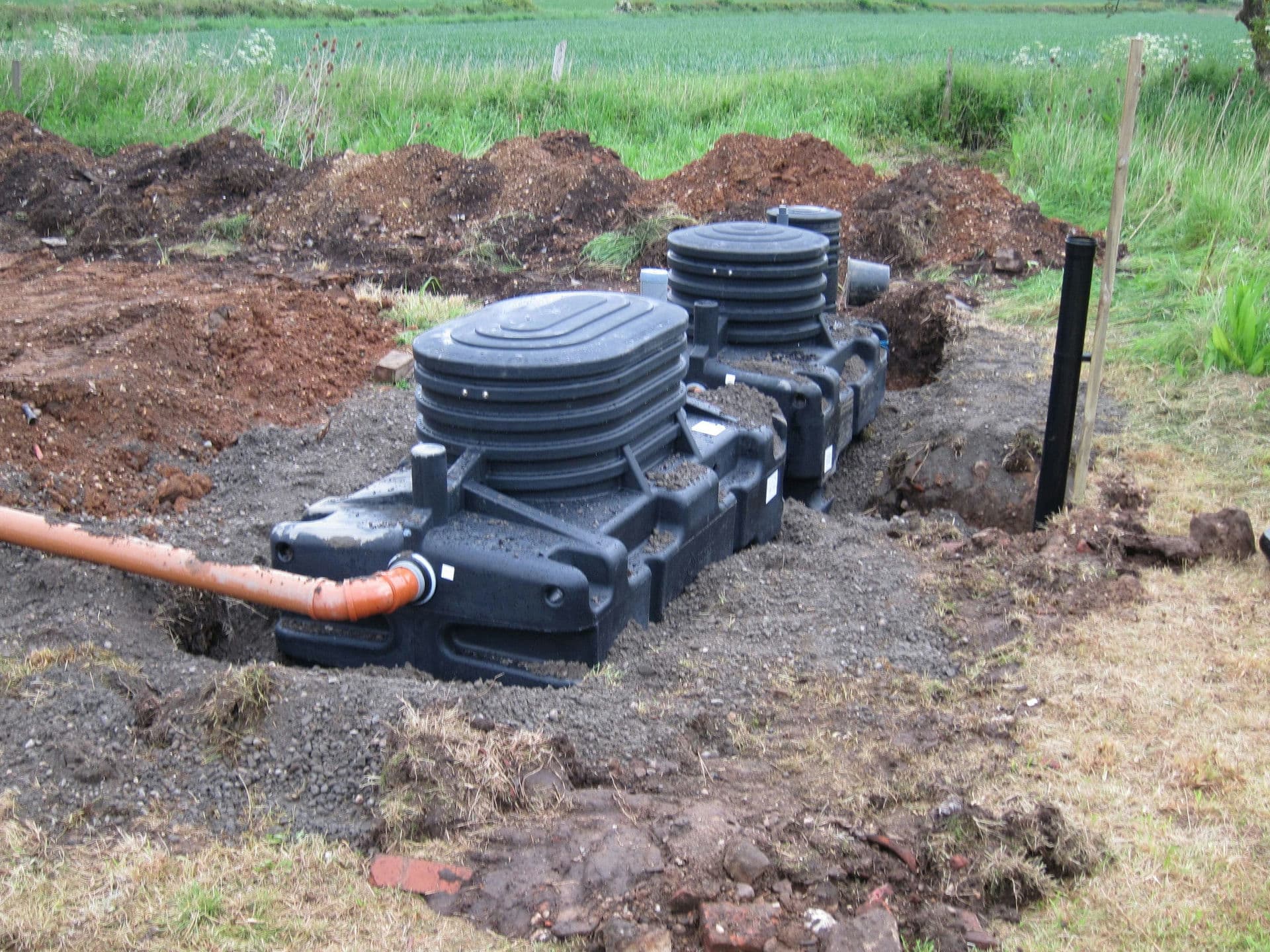
BIOROCK Sewage Treatment Plant Installation

5. Cover with Geotextile Fabric

To prevent soil from mixing with the gravel and clogging the soakaway, cover the system with geotextile fabric. Then, fill in the top layer with topsoil or turf to restore the lawn’s appearance.

6. Test the Soakaway

After installation, test the soakaway by applying water to the area or waiting for the next rainfall. Check to ensure that the water drains away and no pooling occurs on the surface.

Maintenance Tips for Soakaways

Once installed, soakaways require minimal maintenance, but it’s important to perform regular checks to ensure they continue functioning properly:

  • Clear Debris: Remove leaves and debris that may block the soakaway, especially during autumn.
  • Check Gravel: Over time, the gravel can become compacted, reducing its drainage capacity. Periodically check and replenish the gravel if necessary.
  • Monitor Waterflow: After heavy rainfall, check how well the soakaway is draining. If water still pools on the lawn, you may need to adjust or expand the system.

Conclusion

Soakaways are a highly effective solution for fixing waterlogged lawn problems in Coventry. They improve drainage, prevent surface water accumulation, and protect your lawn from damage caused by standing water. Whether you opt for a trench soakaway, pit soakaway, or French drain, installing a soakaway system will restore the health of your lawn and keep it looking lush and green year-round. With proper installation and maintenance, soakaways provide a long-term solution to waterlogging issues and ensure your Coventry lawn remains free from flooding.

Top Signs Your Gutters Need Repair: A Homeowner’s Manual

Gutters play a vital role in protecting your home from water damage, but they can often go unnoticed until problems arise. Regular maintenance is key, but knowing the signs that your gutters need repair can help you catch issues early and prevent costly damage. Here’s a homeowner’s manual to the top signs your repair gutters may need attention.

1. Water Overflowing from Gutters

What to Look For:
If you notice water spilling over the sides of your gutters during rain, it’s a clear indication that they are clogged or not functioning properly.

What to Do:

  • Clear Blockages: Start by removing any debris that may be clogging the gutters. This includes leaves, twigs, and dirt.
  • Check the Downspouts: Ensure that downspouts are clear as well. If water continues to overflow after cleaning, consider adjusting the slope of the gutters or installing additional downspouts.

2. Sagging or Pulling Away from the House

What to Look For:
Gutters that appear saggy or have pulled away from the fascia board are often unable to channel water properly.

What to Do:

  • Inspect and Tighten Brackets: Check the mounting brackets and tighten any loose screws. If brackets are damaged, replace them.
  • Reposition or Add Support: If sagging persists, reposition existing brackets or install additional ones for added support.

3. Cracks or Holes in the Gutters

What to Look For:
Visible cracks, holes, or rust spots can indicate that your gutters are at risk of leaking.

What to Do:

  • Seal Small Cracks: Use a high-quality gutter sealant or caulk to fill small cracks and holes. Clean the area first for proper adhesion.
  • Replace Damaged Sections: For larger holes or extensive rust, it may be necessary to replace the affected section of the gutter.

4. Peeling Paint or Staining on the Siding

What to Look For:
If you notice peeling paint or dark stains on the siding, this may be a sign that water is spilling out of the gutters and onto your home.

What to Do:

  • Inspect for Leaks: Check your gutters and downspouts for leaks. Address any leaks or clogs to prevent further damage to your siding.
  • Repaint as Necessary: Once repairs are made, repaint the affected area to restore its appearance and protect it from moisture.

How to Clean and Repair Gutters | HGTV

5. Mold or Mildew Growth

What to Look For:
The presence of mold or mildew around your home’s foundation or on the siding can indicate poor drainage due to malfunctioning gutters.

What to Do:

  • Inspect Gutters: Check for blockages or leaks in your gutters that could be causing water to pool around your foundation.
  • Address Water Flow Issues: Make necessary repairs to ensure that water flows away from your home, reducing the risk of mold growth.

6. Rust or Corrosion on Metal Gutters

What to Look For:
If you have metal gutters, rust spots or corrosion can be a sign that they need repair or replacement.

What to Do:

  • Remove Rust: Use a wire brush to clean off rust, then apply a rust-inhibiting primer and paint to protect the metal.
  • Consider Replacement: If the rust is extensive, replacing the gutters with a more durable material, such as aluminum or vinyl, may be the best option.

7. Puddles or Erosion Around the Foundation

What to Look For:
If you notice puddles forming around the base of your home or signs of erosion, your gutters may not be directing water away properly.

What to Do:

  • Check Downspouts: Ensure that downspouts are functioning and directing water at least three to four feet away from the foundation.
  • Add Extensions: If necessary, install downspout extensions to help direct water further away from your home.

Conclusion

Being proactive about gutter maintenance can save you from costly repairs and water damage to your home. By recognizing these signs that your gutters need repair, you can take timely action to address issues before they escalate. Regular inspections and maintenance will ensure that your gutters remain in good condition, protecting your home for years to come. If you find any issues that are beyond your skills, don’t hesitate to call in a professional to handle the repairs.

Artificial Grass Sheffield: Perfect for Pet-Friendly Gardens

Creating a pet-friendly garden in Sheffield can be a challenge, especially when considering the wear and tear that furry friends can bring to a natural lawn. Artificial grass has emerged as a popular solution for pet owners, offering a durable, safe, and aesthetically pleasing alternative to traditional grass. Here’s why artificial grass sheffield is ideal for pet-friendly gardens in Sheffield, along with tips for choosing and maintaining it.

1. Why Choose Artificial Grass for Your Pet-Friendly Garden?

a. Durability

One of the main advantages of artificial grass is its durability. Natural grass can easily become worn down by active pets, leading to bald patches and mud. In contrast, synthetic turf is designed to withstand heavy foot traffic, digging, and playing, making it an ideal choice for households with pets.

b. Easy Cleanup

Artificial grass is easy to clean, making it a practical option for pet owners. Unlike natural grass, which can absorb pet urine and odors, synthetic turf is non-porous and designed with drainage systems that allow liquid to pass through. This means you can quickly rinse off waste and eliminate odors with minimal effort.

c. No Muddy Paws

Sheffield’s wet climate can lead to muddy conditions, especially after rain. With artificial grass, you can say goodbye to muddy paws tracking dirt into your home. The grass remains clean and dry, even after rain, ensuring your pets can enjoy the garden without making a mess.

d. Safe and Non-Toxic

High-quality artificial grass is made from non-toxic materials, making it safe for pets to play on. Unlike some natural grass lawns treated with pesticides and fertilizers, synthetic turf does not require harmful chemicals, providing a safe environment for your furry friends.

2. Choosing the Right Artificial Grass for Pets

When selecting artificial grass for your pet-friendly garden, consider the following factors:

a. Pile Height

Choose a pile height that balances comfort and durability. A medium pile (about 30mm) is often ideal for pet areas, providing a soft surface without being too tall to flatten underfoot.

b. Drainage

Ensure that the artificial grass has good drainage capabilities. Look for products designed with perforated backing to allow liquids to flow through easily. This is crucial for keeping the grass clean and odor-free.

c. Material Quality

Opt for high-quality synthetic turf that can withstand the rigors of pet play. Look for grass made from durable materials, such as polyethylene or polypropylene, that can endure scratching and digging.

d. UV Resistance

Choose artificial grass that is UV resistant to prevent fading and deterioration over time. This is especially important in Sheffield, where sunny days can cause wear on lower-quality products.

3. Installation Considerations

Installing artificial grass in your pet-friendly garden involves several key steps:

a. Preparation

  1. Clear the Area: Remove existing grass, weeds, and debris to create a clean base.
  2. Level the Ground: Ensure the area is level and free from bumps to provide a smooth surface for the artificial grass.

b. Base Layer

  1. Add a Base Material: Install a layer of crushed stone or sand to create a solid foundation and improve drainage.
  2. Weed Barrier: Consider laying down a weed barrier to prevent any growth underneath the artificial grass.

c. Laying the Grass

  1. Roll Out the Turf: Lay the artificial grass over the prepared base, ensuring the fibers are all facing the same direction for a natural appearance.
  2. Secure the Edges: Use adhesive or nails to secure the edges, ensuring they are properly fastened to prevent movement.

d. Finishing Touches

  1. Brush the Grass: Use a broom to brush the fibers upright, giving the grass a fresh, natural look.
  2. Add Weight: Place heavy items or planters around the edges to hold the turf in place while the adhesive sets.

TouchWood Floorings - Artificial Grass Flooring

4. Maintenance Tips for Pet-Friendly Artificial Grass

While artificial grass requires less maintenance than natural lawns, regular care will help keep it in top condition:

a. Regular Cleaning

  • Daily Cleanup: Remove pet waste daily to prevent odors and stains. For solid waste, pick it up as you would in a natural lawn.
  • Rinse the Area: Use a hose to rinse the grass every week or as needed. This will help remove any lingering odors and keep the surface clean.

b. Odor Control

  • Use a Pet-Friendly Cleaner: For stubborn odors, consider using a pet-safe cleaning solution specifically designed for artificial grass. This can help eliminate bacteria and odors without harming your pets.
  • Baking Soda: Sprinkling baking soda over the grass can also help absorb odors before rinsing it off.

c. Brush Regularly

  • Brush the Turf: Use a stiff-bristle broom or a power brush to lift the grass fibers and keep them looking fresh. This helps prevent matting and maintains the grass’s appearance.

5. Design Ideas for Pet-Friendly Gardens

Incorporating artificial grass into your pet-friendly garden opens up numerous design possibilities:

a. Dedicated Play Area

Designate a specific area with artificial grass for your pets to play, ensuring it’s free from obstacles. This can be enhanced with toys, tunnels, and other play equipment.

b. Pathways and Borders

Use artificial grass to create pathways or borders around flower beds, providing a clean and defined space for pets to roam without damaging your plants.

c. Combine with Natural Elements

Mix artificial grass with natural plants, rocks, and other landscaping elements to create an appealing, pet-friendly environment. Incorporate raised planters or shrubbery to offer shade and shelter for pets.

Conclusion

Artificial grass is an excellent choice for Sheffield residents looking to create a pet-friendly garden. With its durability, easy cleanup, and aesthetic appeal, synthetic turf allows your pets to enjoy the outdoors without the hassle of muddy paws or damaged grass. By choosing the right type of artificial grass and following proper maintenance practices, you can create a beautiful, safe, and functional space for your furry friends to play and relax. Embrace the benefits of artificial grass, and transform your garden into the perfect pet-friendly retreat!